

How Webel works.
You describe what you need in plain English. Webel plans the work, builds it, verifies it, ships it, and remembers what it learned. Here is the system underneath.
The right model for every step.
Frontier models for the hard problems, fast open-source models for the rest. Webel routes each step to the best fit and puts the cost of every call on your receipt. You never think about vendors. You get the sharpest result at the lowest price.
Learn more →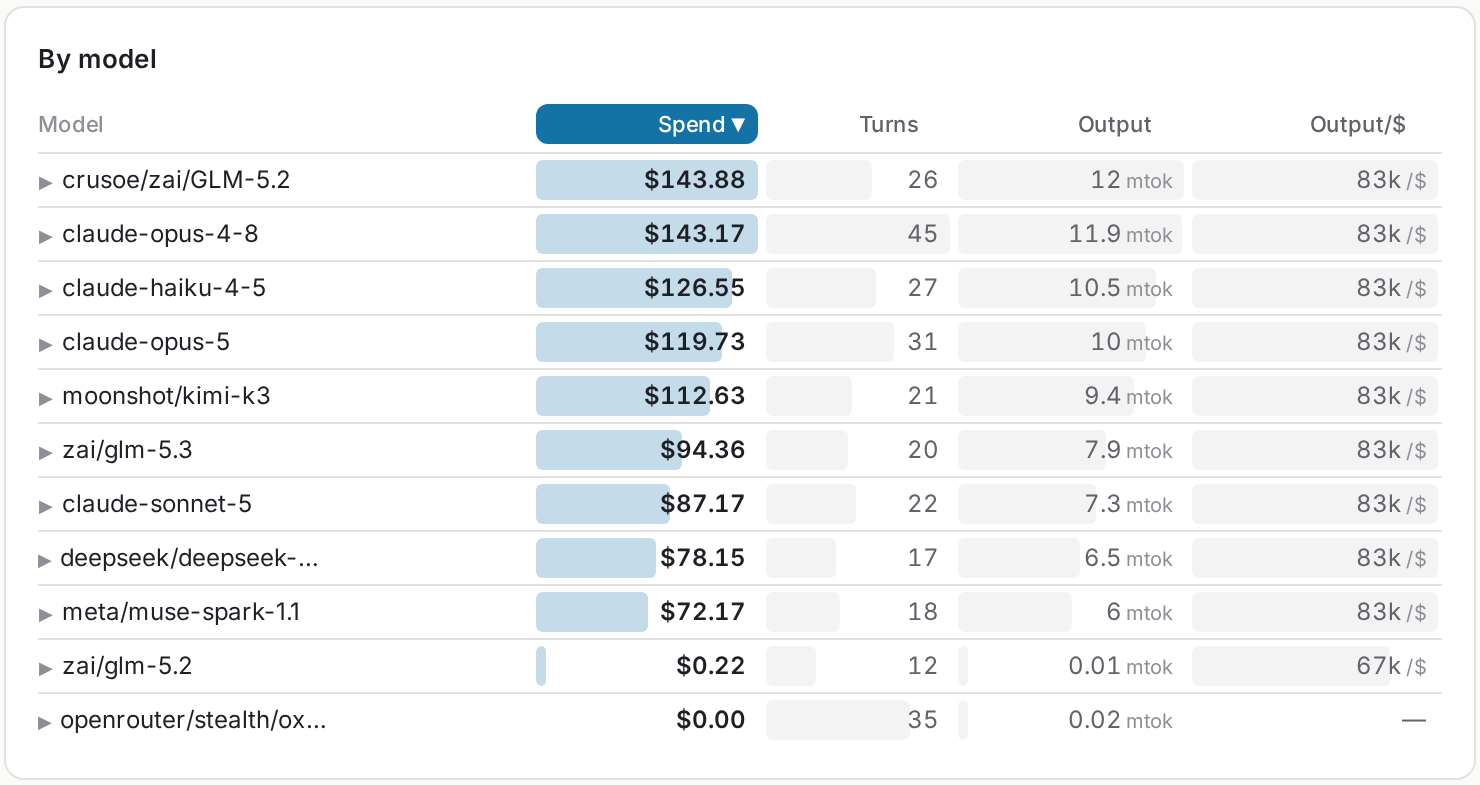
It remembers your business.
Every conversation, decision, and build sticks, and each fact traces back to where it came from. Six months in, Webel knows your suppliers, your stack, and your standards. You stop re-explaining. The work starts compounding.
Learn more →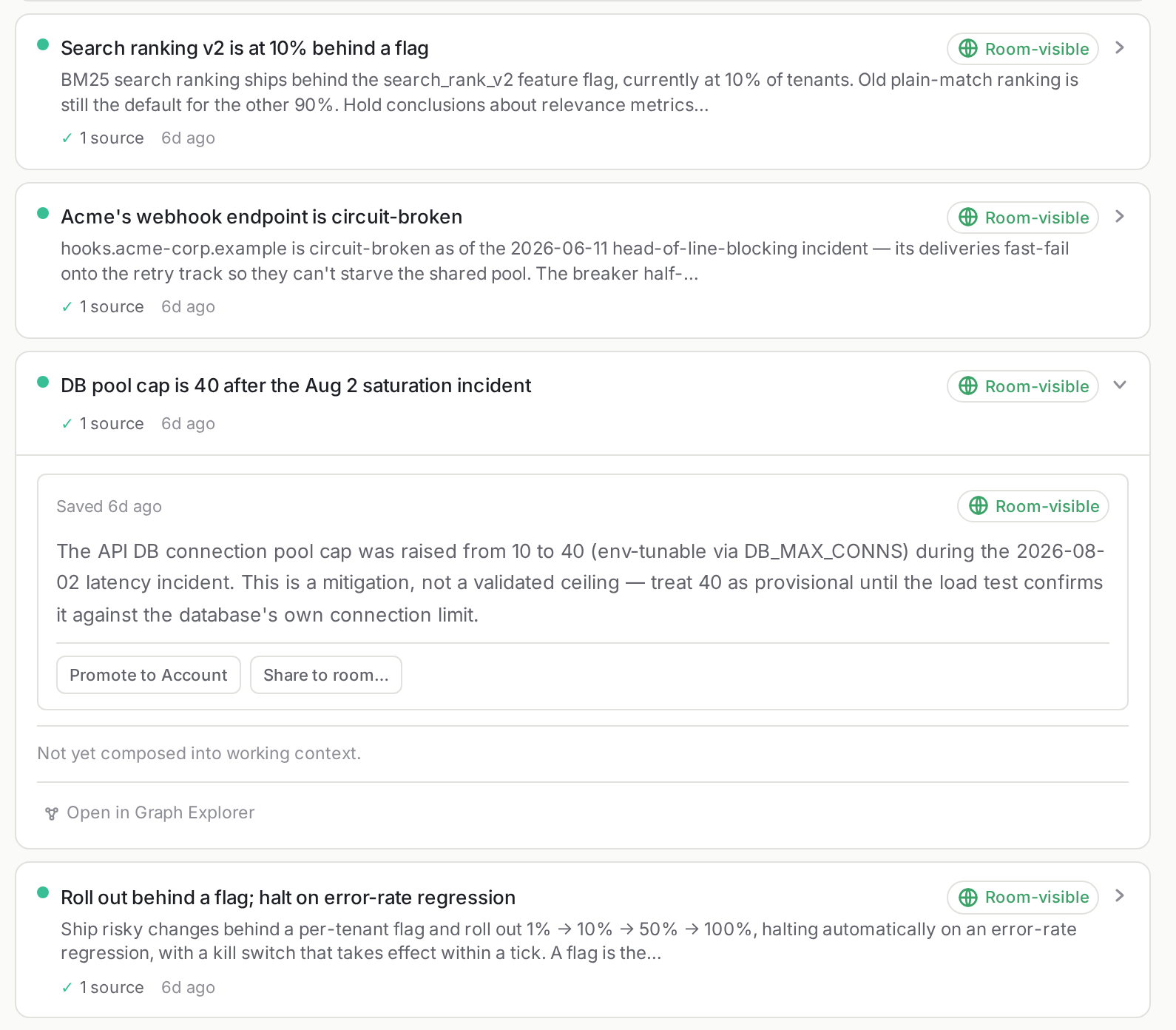
Your whole team, one thread.
Ops describes the problem, engineering sets the guardrails, Webel does the work. Everyone sees what was asked, what was built, and who approved it. Nothing lives in a sidebar or a status meeting.
Learn more →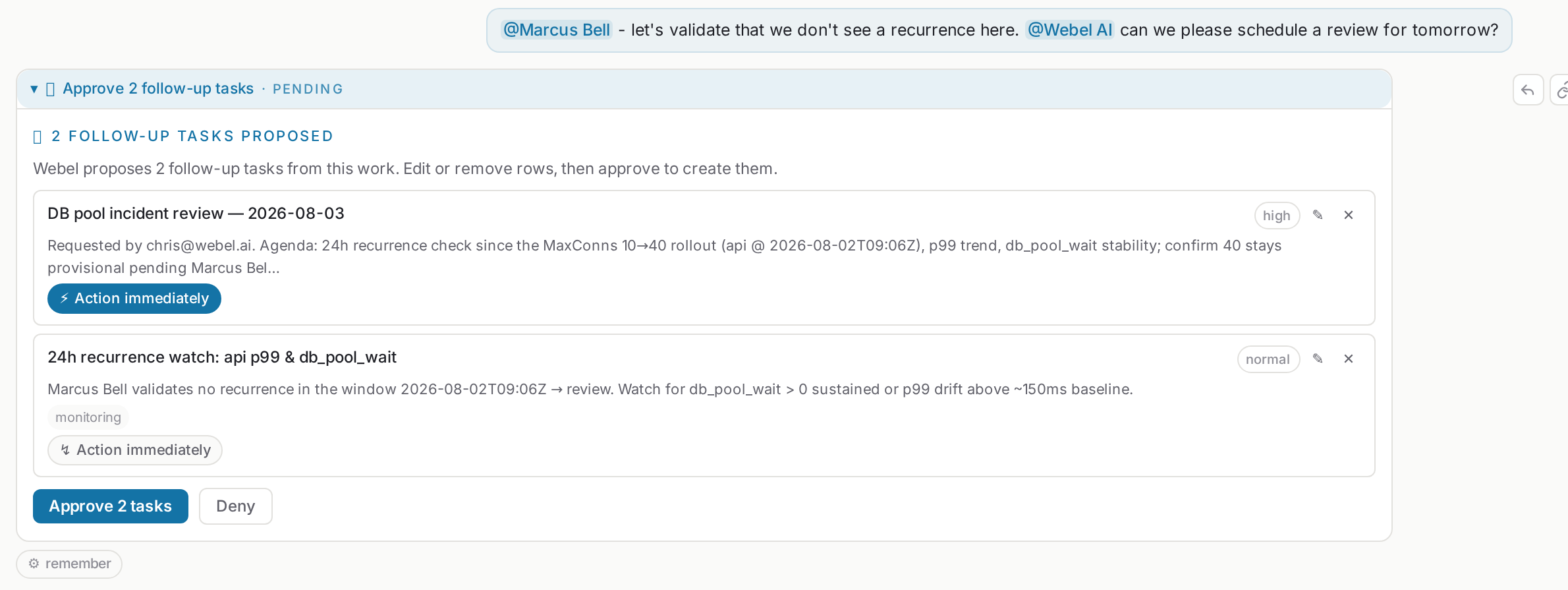
It checks its own work.
Every change is tested before it counts as done. When a model gets something wrong, Webel catches it and fixes it before you ever see it.
Learn more →Your data stays yours.
Your workspace is isolated. You control who on your team sees what. What you build and what you tell Webel stay yours.
Built for builders, too.
Webel is also a platform. Build your own software on the same engine that runs Webel.
Build on Webel →